How Arts and Crafts Fit Into Classical Education
While not always emphasized in modern discussions of classical education, arts and crafts have a meaningful place in the classical tradition, especially in the context of forming the whole person:

Formation of the Imagination: Classical education values the cultivation of imagination and aesthetic sense. Arts and crafts expose students to form, beauty, and design, which support the appreciation of truth and beauty—central ideals in classical learning.

Fine Motor Skills and Discipline: In the Grammar Stage, hands-on learning such as crafts develops fine motor coordination, patience, and discipline—all essential virtues in a classical framework.

Connection to Ancient Traditions: Many classical civilizations—Greek, Roman, Medieval—valued craftsmanship. Learning traditional arts like calligraphy, weaving, embroidery, or woodworking connects students to cultural heritage and the dignity of skilled labor.
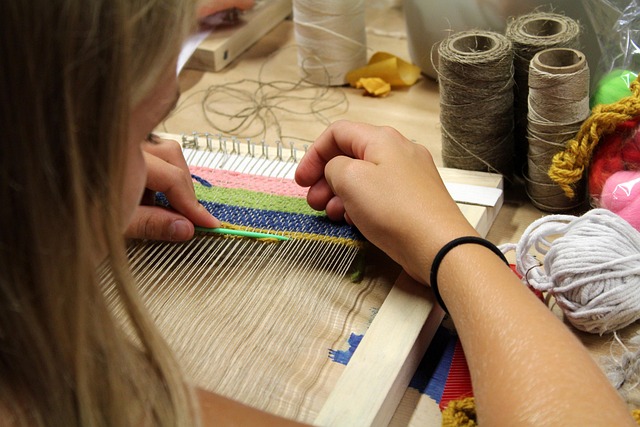
Embodied Learning: Classical education acknowledges the unity of body and soul. Arts and crafts offer a way to learn through doing, reinforcing abstract concepts (like geometry, proportion, or historical styles) through physical activity.

Complement to Rhetoric and Logic: Crafting a well-made object mirrors the structure of forming a sound argument or writing an elegant essay. The care, order, and intentionality in both disciplines are parallel.
In sum, arts and crafts can support classical education by reinforcing beauty, order, creativity, and cultural appreciation—values essential to forming thoughtful, virtuous individuals. When intentionally integrated, they provide students with both practical skills and deeper intellectual formation.
 Renovatio Tutorial Services